
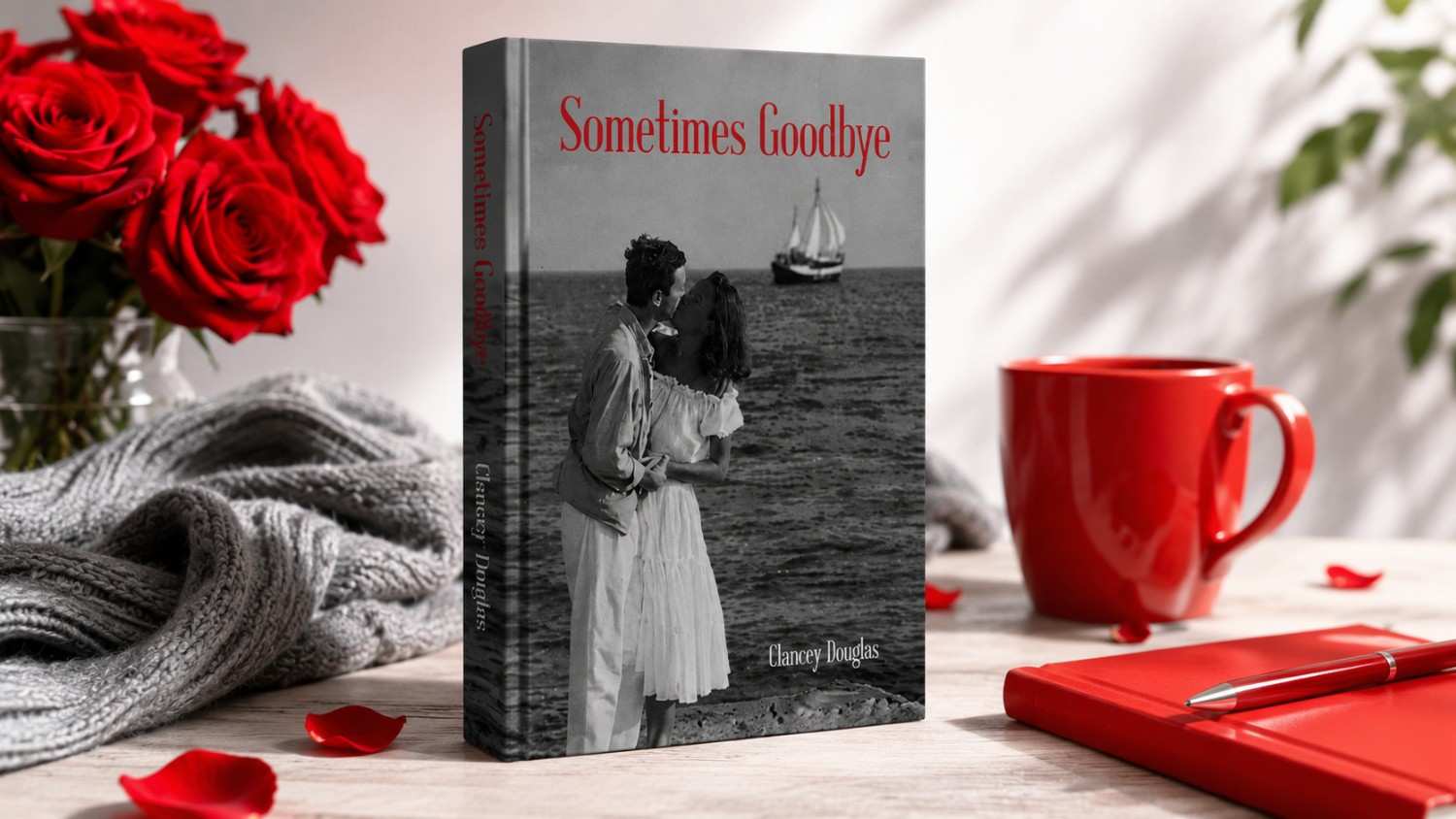
Every writer starts somewhere, and Why Clancey Douglas Books Leave a Lasting Mark on Every Reader becomes clear when you look at where his journey began. For Clancey Douglas, it started in film and TV, not in novels. So the instincts came first, and the writing came later. That’s why people who search for Clancey Douglas Books often notice something right away. The pages don’t just tell you a story—they show it to you, almost like a movie playing in your head.
Clancey Douglas spent years learning how scenes work. How silence can say more than dialogue. How a single look can carry an entire argument. Those lessons didn’t disappear when the medium changed. Instead, they became the foundation for something new.
What Makes Clancey Douglas Books Feel Different
Here’s the thing about screenwriters who move into fiction. They rarely lose their eye for structure. They just get more space to use it. That’s exactly what happened here. Gone were the camera directions. In their place came paragraphs, inner thoughts, and quiet reflection. But the bones stayed the same. Real rooms. Real conversations. Characters who feel like people you’ve actually met before.
This shift eventually led to Sometimes Goodbye, the debut novel and, by most accounts, the most personal project so far. It’s proof that good instincts travel well across mediums.
Where the Motivation Came From
So what pulled Douglas away from scripts and toward full-length fiction? Mostly, it was a fascination with quiet things. Love. Loss. The memories people carry long after they should’ve let go. Also, European cinema played a big role here. That style favors patience over spectacle. It trusts small moments instead of big dramatic swings. You can feel that influence on every page. Nothing rushes. Every scene earns its place before moving on.
There wasn’t one single mentor named outright. Still, the fingerprints of classic dramatic storytelling show up everywhere. Douglas learned to trust silence. To trust subtext. To trust readers enough to let them feel things without being told how to feel them. That’s a harder skill than it sounds, honestly.
From Screenplay Instincts to a Debut Novel
Short stories and screenplays came first. They built a reputation for sharp, emotional writing that didn’t waste a single line. Then came the leap into something longer. A novel about memories and regret needs room to breathe. A ninety-page script simply can’t give that.
That gap between what Douglas had already mastered and what a novel demands became the perfect testing ground. And the result reads like a love and loss novel, though it’s quieter than that label suggests. It doesn’t shout. It lingers instead.
Inside Sometimes Goodbye
Sometimes Goodbye follows Lara and Daniel. Two people who loved each other, lost each other, and spent years circling what happened between them. The book splits its 16 chapters evenly across both characters. So you get both sides of the same heartbreak, back to back. That structure alone tells you this isn’t a simple romance. It’s closer to a story about coping with grief, told from two directions at once.
Ten years after their separation, Lara and Daniel are still, in a word, adrift. Secrets surface slowly. Old wounds reopen without warning. And through it all, Douglas resists the urge to wrap things up too neatly. Because real grief doesn’t work that way either. It’s messy. It circles back. It refuses a clean finish line.
Here’s a quick look at what shapes the book:
- Dual first-person perspectives from both leads
- 16 chapters per point of view, 32 chapters total
- Themes of regret, memory, and the words people never say out loud
- A tone that mixes heartbreak with unexpected flashes of dry humor
- A pace that feels closer to film than traditional prose
It’s this balance, heavy but never hopeless, that makes it read as such an emotionally compelling love story. You feel the weight of what Lara and Daniel lost. But you also sense a chance that maybe, just maybe, goodbye isn’t permanent after all.
Why Readers Keep Coming Back
People don’t return to this writing for plot twists. They come back because it feels true. A novel about memories and regret only works if the emotions underneath are honest. And that honesty is really the throughline here, connecting the screenwriting years to the novel that followed. Readers looking for a genuine love and loss novel tend to notice this fast. Nothing feels manufactured for effect. Nothing feels forced.
It also helps that the book doesn’t shy away from discomfort. Grief is messy, after all. Regret rarely resolves on schedule either. A story about coping with grief that pretends otherwise wouldn’t hold up for long. This one does, mostly because Douglas lets both characters stay flawed, stubborn, and fully human.
Plus, there’s something comforting about a story that doesn’t rush toward resolution. Instead, it lets Lara and Daniel sit with their pain for a while. That patience is rare. It’s also exactly what makes the book memorable.
A Voice Shaped by Film, Written for the Page
Because Douglas came from a visual background, small details matter a lot here. A pause before someone speaks. The way a room feels after an argument ends. These aren’t filler. They’re doing real emotional work, quietly building tension without a single word of dialogue.
So if you’ve ever felt like a book was “playing” in your mind rather than just being read, that’s the effect Douglas is going for. It’s deliberate. It’s also difficult to pull off well, which is part of why this debut stands out.
Final Thoughts on Clancey Douglas Books
If you’re exploring Clancey Douglas Books for the first time, here’s a fair starting point. This isn’t light reading. But it isn’t exhausting either. It’s the kind of story you sit with, maybe even revisit. Douglas built a career on making emotion feel real onscreen, and that same instinct carried straight onto the page. The result is an emotionally compelling love story that lingers well after the final chapter ends.
FAQs
Is Clancey Douglas a new author?
Douglas is newer to full-length novels but has an established background in screenwriting and short fiction. That background shapes the cinematic feel readers notice throughout Clancey Douglas Books.
What is the main theme of Sometimes Goodbye?
Love, memory, and regret. The story unfolds through two alternating perspectives across the same ten-year separation.
Is the book written from one point of view or two?
Two. Both Lara and Daniel narrate 16 chapters each. So you get equal weight given to both sides of the story.
Does the book have a happy ending?
Without spoiling anything, the ending leans hopeful rather than tidy. It stays true to how real relationships actually resolve, which is rarely all at once. That emotional authenticity is one reason Books Leave a Lasting Mark on readers long after they finish the final page.